

Introduction to the Diesel Generator Troubleshooting and Repair Guide
1. What is a Diesel Generator? The Ultimate Power Backup Solution
When it comes to diesel generators, these machines are known for their reliability and durability. However, like any other equipment, they require regular maintenance and a good understanding of how to troubleshoot common issues. In this Diesel Generator Troubleshooting and Repair Guide, I’ll walk you through everything you need to know to keep your generator running smoothly and fix problems when they arise.
2. Why Diesel Generator Maintenance is Non-Negotiable
A diesel generator is a device that converts mechanical energy into electrical energy using a diesel engine. It’s widely used in industries like construction, agriculture, and as a backup power source during outages. Regular maintenance is crucial to ensure the generator operates efficiently and lasts for years. Without proper care, you could face costly repairs or, worse, a complete breakdown when you need it most.
3. Top 5 Common Diesel Generator Problems You Can’t Ignore
Diesel generators can experience a range of issues, including difficulty starting, power loss, strange noises, and excessive smoke. Identifying these problems early is key to preventing further damage. For example, a generator that won’t start could be due to a dead battery, a faulty starter system, or fuel-related issues.
4. Must-Have Tools for Diesel Generator Troubleshooting and Repair
To perform effective troubleshooting, you’ll need some basic tools. Here’s a list of must-haves for your toolkit:
- Multimeter for measuring voltage, current, and resistance.
- Torque wrenches for precise tightening.
- Owner’s manual for model-specific information.
- Cleaning kit to keep components free of dirt and debris.

5. Safety First: 7 Essential Precautions for Diesel Generator Maintenance
Before starting any maintenance or repair work, it’s essential to follow safety precautions. Always turn off the generator and disconnect the battery to avoid electrical shocks. Wear protective gloves and safety goggles to shield yourself from potential harm. Remember, safety should never be compromised when working with complex machinery like diesel generators.
In this chapter, we’ve covered the basics of the Diesel Generator Troubleshooting and Repair Guide. In the upcoming chapters, we’ll dive deeper into specific problems and practical solutions to keep your generator in top shape. Stay tuned!
Diagnosing Common Issues in the Diesel Generator Troubleshooting and Repair Guide
1. Why Won’t Your Diesel Generator Start? 7 Common Causes and Fixes
One of the most frustrating problems is a diesel generator that won’t start. This could be due to a dead battery, a faulty starter motor, or even fuel system issues. Start by checking the battery voltage with a multimeter. If the battery is fine, inspect the fuel lines for blockages or air leaks. Sometimes, the solution is as simple as replacing a clogged fuel filter.
2. Power Loss in Your Diesel Generator? Here’s How to Diagnose It
If your generator is running but not producing enough power, the issue could lie in the engine performance or the alternator. Check the air filter for clogs and ensure the fuel injectors are clean. If the problem persists, test the alternator’s output voltage. Low voltage could indicate a failing alternator that needs replacement.
3. Strange Noises from Your Diesel Generator? What They Mean and How to Fix Them
Unusual noises like knocking, rattling, or whining can signal serious issues. For example, a knocking sound might indicate problems with the fuel injectors or engine bearings. A whining noise could point to a misaligned belt or a failing alternator. Always investigate these sounds promptly to avoid further damage.
4. Excessive Smoke from Your Diesel Generator? Decode the Colors
Smoke from your generator can be a sign of trouble, and the color tells you a lot. Black smoke usually means incomplete combustion, often due to a dirty air filter or faulty injectors. White smoke can indicate coolant leakage into the combustion chamber. Blue smoke suggests burning oil, which could mean worn piston rings or valve seals.
5. How to Test Your Diesel Generator’s Fuel System for Issues
The fuel system is often the culprit behind many generator problems. Start by checking the fuel tank for contamination or water buildup. Inspect the fuel lines for leaks or blockages. If the generator still won’t run, test the fuel pump and injectors for proper operation. Regular cleaning and maintenance of the fuel system can prevent most issues.
6. Is Your Diesel Generator Overheating? 5 Possible Reasons
Overheating can cause severe damage to your generator. Common causes include a clogged cooling system, low coolant levels, or a malfunctioning thermostat. Check the radiator and coolant hoses for blockages and ensure the fan is working correctly. If the problem persists, inspect the water pump for leaks or failure.
7. How to Troubleshoot Electrical Issues in Your Diesel Generator
Electrical problems can be tricky to diagnose. Start by checking the battery connections for corrosion or looseness. Use a multimeter to test the voltage output of the alternator. If the generator still won’t produce power, inspect the circuit breakers and wiring for faults. Always refer to the owner’s manual for specific electrical diagrams.
8. When to Call a Professional for Diesel Generator Repairs
While many issues can be fixed with basic troubleshooting, some problems require professional expertise. If you’re dealing with major engine repairs, complex electrical issues, or persistent performance problems, it’s best to call a certified technician. Attempting advanced repairs without the right skills can lead to further damage.

Preventive Maintenance in the Diesel Generator Troubleshooting and Repair Guide
1. Why Preventive Maintenance is the Key to a Long-Lasting Diesel Generator
Regular preventive maintenance is the best way to ensure your diesel generator runs efficiently and avoids costly breakdowns. According to the U.S. Department of Energy, a well-maintained generator can last up to 30% longer than one that’s neglected. Simple tasks like checking oil levels and inspecting belts can make a huge difference.
2. How Often Should You Change the Oil in Your Diesel Generator?
Changing the oil is one of the most critical maintenance tasks. For most diesel generators, it’s recommended to change the oil every 100-150 hours of operation or at least once a year. Always use the oil grade specified in the owner’s manual. For more details on oil types, check out this guide by Machinery Lubrication.
3. The Importance of Cleaning or Replacing Air Filters Regularly
A clogged air filter can reduce your generator’s efficiency and cause overheating. Inspect the air filter every 50 hours of operation and clean or replace it as needed. For a step-by-step guide on cleaning air filters, visit Family Handyman.
4. How to Keep Your Diesel Generator’s Cooling System in Top Shape
The cooling system prevents your generator from overheating. Check the coolant level monthly and top it up if necessary. Inspect the radiator and hoses for leaks or blockages. For more tips on maintaining cooling systems, refer to this article by Popular Mechanics.
5. Battery Maintenance: Ensuring Your Diesel Generator Starts Every Time
A dead battery is one of the most common reasons a generator won’t start. Check the battery terminals for corrosion and clean them with a baking soda solution. Test the battery voltage regularly and replace it if it’s weak. Learn more about battery maintenance from Battery University.
6. Fuel System Maintenance: Preventing Clogs and Contamination
Contaminated fuel can cause serious damage to your generator. Inspect the fuel tank for water or debris and drain it if necessary. Replace the fuel filter every 200 hours of operation. For a detailed guide on fuel system maintenance, visit Diesel World.
7. Inspecting Belts and Hoses: Avoiding Unexpected Breakdowns
Worn-out belts and hoses can lead to engine failure. Inspect them every 100 hours of operation for cracks, fraying, or looseness. Replace them if they show signs of wear. For more information on belt and hose maintenance, check out this resource by AutoZone.
8. Creating a Maintenance Schedule for Your Diesel Generator
A well-organized maintenance schedule ensures you never miss a critical task. Use a checklist to track oil changes, filter replacements, and inspections. You can download a free maintenance log template from Template.net.
Advanced Repairs in the Diesel Generator Troubleshooting and Repair Guide
When to Replace Fuel Injectors: Signs and Step-by-Step Instructions
Fuel injectors are critical for the proper functioning of your diesel generator. Over time, they can become clogged or wear out, leading to poor performance, excessive smoke, or difficulty starting. If you notice uneven engine power or increased fuel consumption, it might be time to replace them.
Start by disconnecting the fuel lines and removing the old injectors. Install the new ones carefully, ensuring they’re properly seated. Always refer to your generator’s manual for specific torque settings. Regular maintenance of the fuel injection system can prevent these issues and keep your power generator running smoothly.
How to Repair a Faulty Starter System in Your Diesel Generator
A faulty starter system can leave your generator dead in the water. Common signs include a clicking noise when you try to start the engine or complete silence. First, check the battery voltage to ensure it’s fully charged. If the battery is fine, inspect the starter motor and solenoid for damage.
Replacing a starter motor involves disconnecting the electrical connections and removing the mounting bolts. Once the new motor is installed, test the system to ensure it’s working correctly. Keeping the starting system in good condition is essential for reliable emergency power.

Troubleshooting Electrical Issues in Your Diesel Generator
Electrical problems can be tricky to diagnose, but they’re often caused by faulty wiring, blown fuses, or a malfunctioning alternator. Start by inspecting the wiring harness for visible damage or loose connections. Use a multimeter to test the voltage output of the alternator.
If the alternator isn’t producing enough power, it may need to be replaced. Always follow safety precautions when working with electrical components, such as wearing insulated gloves and turning off the generator before starting repairs. Proper maintenance of the electrical system ensures your backup generator is ready when you need it most.
Replacing the Drive Belt: A Simple Fix for Common Problems
The drive belt is responsible for transferring power from the engine to the alternator. Over time, it can become worn, cracked, or loose, leading to reduced power output or overheating. To replace the belt, first, locate the tensioner pulley and release the tension.
Remove the old belt and install the new one, ensuring it’s properly aligned. Adjust the tension according to the manufacturer’s specifications. Regularly inspecting the belt system can prevent unexpected breakdowns and keep your diesel-powered generator operating efficiently.
Dealing with Coolant Leaks: How to Identify and Fix Them
Coolant leaks can cause your generator to overheat and lead to serious engine damage. Common signs include puddles of coolant under the generator or a low coolant level in the reservoir. Inspect the radiator hoses, water pump, and gaskets for leaks.
If you find a damaged hose, replace it immediately. For leaks around the water pump, you may need to replace the pump itself. Regularly checking the cooling system and topping up the coolant can prevent these issues and ensure your industrial generator stays cool under pressure.
How to Fix a Malfunctioning Voltage Regulator
The voltage regulator ensures your generator produces a consistent level of power. If you notice fluctuating voltage or overcharging, the regulator might be faulty. Start by testing the output voltage with a multimeter. If it’s outside the recommended range, replace the regulator.
This involves disconnecting the wiring and removing the old unit. Installing the new regulator is straightforward, but always double-check the connections. A properly functioning voltage control system is essential for protecting your electrical appliances and ensuring stable power generation.
Repairing or Replacing the Exhaust System
A damaged exhaust system can lead to poor engine performance and excessive noise. Inspect the exhaust pipes and muffler for cracks or rust. Small holes can often be repaired with a high-temperature epoxy, but severely damaged components should be replaced.
When installing a new exhaust system, ensure all connections are tight and secure. Regularly cleaning and inspecting the exhaust system can prevent carbon buildup and improve the efficiency of your diesel engine.
When to Call a Professional for Complex Repairs
While many repairs can be done yourself, some issues require professional expertise. If you’re dealing with internal engine damage, complex electrical problems, or persistent performance issues, it’s best to call a certified technician.
Attempting advanced repairs without the right skills can lead to further damage and costly repairs. Knowing when to seek professional help is key to keeping your diesel generator in top condition.
Optimizing Performance in the Diesel Generator Troubleshooting and Repair Guide
How to Fine-Tune Your Diesel Generator for Maximum Efficiency
Getting the most out of your diesel generator starts with fine-tuning its performance. Regularly check the engine timing and adjust it if necessary to ensure smooth operation. Inspect the fuel injection system for proper calibration, as even small misalignments can lead to reduced efficiency.
A well-tuned generator not only runs better but also consumes less fuel, saving you money in the long run. Don’t forget to monitor the exhaust emissions to ensure your generator is running cleanly and efficiently.
The Role of Clean Fuel in Enhancing Generator Performance
Clean fuel is essential for optimal performance. Contaminants like dirt, water, or debris can clog the fuel injectors and reduce engine efficiency. Always use high-quality diesel and consider adding a fuel stabilizer to prevent degradation.
Regularly inspect the fuel tank for water buildup and drain it if necessary. Installing a fuel filter with a water separator can also help keep your power generator running smoothly. Remember, clean fuel means a cleaner and more efficient engine.
Why Airflow Matters: Keeping Your Generator’s Cooling System Efficient
Proper airflow is crucial for maintaining the cooling system of your diesel generator. A clogged or dirty radiator can cause the engine to overheat, leading to reduced performance and potential damage. Regularly clean the radiator fins and ensure the cooling fan is functioning correctly.
If your generator is housed in an enclosure, make sure there’s adequate ventilation to prevent heat buildup. A well-maintained cooling system ensures your generator stays cool even during extended use.
The Importance of Regular Load Testing for Optimal Performance
Load testing is a critical part of maintaining your generator’s performance. It helps identify issues like underloading or overloading, which can affect the engine’s efficiency. Perform a load test at least once a year by running the generator at its rated capacity for a set period.
This not only ensures the generator can handle its maximum load but also helps burn off any carbon deposits in the engine. Regular load testing keeps your backup generator ready for any situation.
How to Reduce Noise Levels in Your Diesel Generator
While diesel generators are known for their reliability, they can also be noisy. To reduce noise levels, consider installing a soundproof enclosure or adding acoustic panels around the generator. Regularly inspect the exhaust system and muffler for damage, as leaks can increase noise.
Proper maintenance of the engine components also helps minimize vibrations and noise. A quieter generator is not only more pleasant to be around but also less disruptive in residential or commercial settings.
Upgrading Your Generator’s Control Panel for Better Performance
Modern control panels offer advanced features like remote monitoring, automatic start/stop, and real-time diagnostics. Upgrading your generator’s control panel can significantly improve its performance and ease of use.
Look for panels with user-friendly interfaces and compatibility with your generator model. These upgrades not only enhance operational efficiency but also provide valuable insights into the generator’s health and performance.
The Benefits of Using Synthetic Oil in Your Diesel Generator
Switching to synthetic oil can improve your generator’s performance and longevity. Synthetic oil offers better lubrication, thermal stability, and resistance to oxidation compared to conventional oil.
This means less wear and tear on the engine and longer intervals between oil changes. Always check the manufacturer’s recommendations before making the switch. Using high-quality oil ensures your diesel engine runs smoothly and efficiently.
How to Extend the Lifespan of Your Diesel Generator
To get the most out of your generator, focus on preventive maintenance and proper operation. Regularly inspect and replace worn-out parts, keep the fuel and air systems clean, and avoid overloading the generator.
Store it in a dry, well-ventilated area to prevent rust and corrosion. By following these tips, you can significantly extend the lifespan of your diesel-powered generator and ensure it’s always ready when you need it.
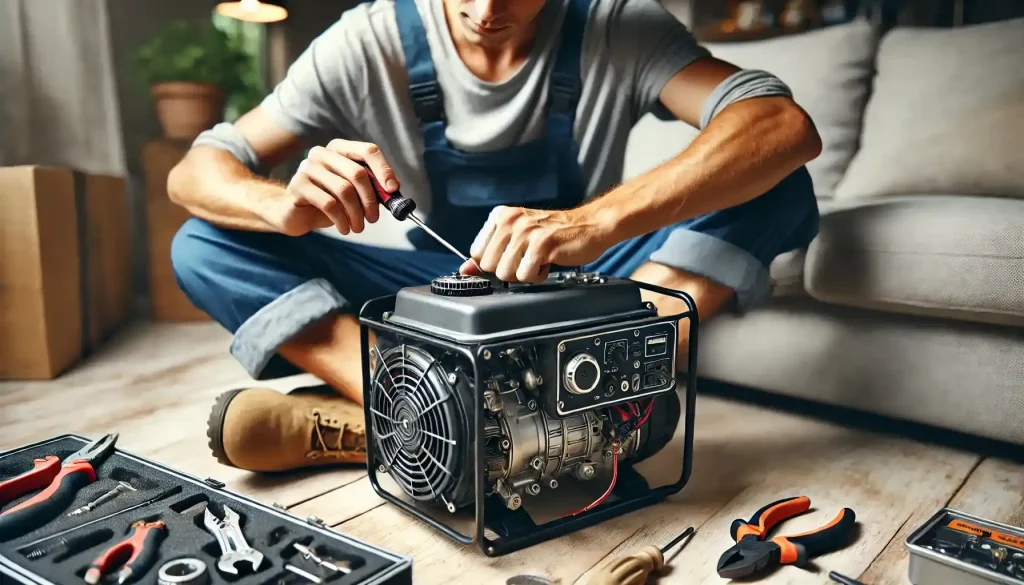
Troubleshooting Electrical Issues in the Diesel Generator Troubleshooting and Repair Guide
Why Your Diesel Generator Isn’t Producing Power: Common Causes
It’s frustrating when your diesel generator is running but not producing any electricity. The issue could be as simple as a tripped circuit breaker or as complex as a faulty alternator. Start by checking the circuit breakers and resetting them if necessary.
If that doesn’t work, inspect the voltage regulator and brushes in the alternator. Sometimes, the problem is just a loose wire or a bad connection. Keeping an eye on these components can save you from a lot of headaches.
How to Test the Alternator in Your Diesel Generator
The alternator is the heart of your generator’s electrical system. If it’s not working, your generator won’t produce power. To test it, use a multimeter to measure the voltage output. A healthy alternator should produce a steady voltage within the range specified in your owner’s manual.
If the readings are off, you might need to replace the alternator. Don’t forget to check the drive belt too—if it’s loose or worn, it can affect the alternator’s performance.
Dealing with Voltage Fluctuations: What You Need to Know
Voltage fluctuations can damage your appliances and indicate a problem with your generator. Common causes include a malfunctioning voltage regulator, dirty connections, or an overloaded generator.
Start by cleaning all electrical connections and ensuring they’re tight. If the problem persists, test the voltage regulator and replace it if necessary. Keeping your generator’s electrical system in good shape ensures stable power output.
How to Fix a Dead Battery in Your Diesel Generator
A dead battery is one of the most common reasons a generator won’t start. First, check the battery terminals for corrosion and clean them with a mixture of baking soda and water. Use a multimeter to test the battery voltage—if it’s below 12 volts, it’s time for a replacement.
Don’t forget to inspect the battery charger and cables for any issues. Regular maintenance of the battery system ensures your generator starts when you need it most.
Troubleshooting Wiring Issues in Your Diesel Generator
Wiring problems can cause a range of electrical issues, from intermittent power to complete failure. Start by visually inspecting the wiring harness for frayed wires, loose connections, or signs of burning.
Use a multimeter to test the continuity of the wires and identify any breaks. If you find damaged wires, replace them immediately. Properly maintaining the wiring system prevents unexpected breakdowns and keeps your generator running smoothly.
How to Replace a Faulty Circuit Breaker in Your Generator
A faulty circuit breaker can shut down your generator’s power output. To replace it, first, turn off the generator and disconnect the battery. Remove the old breaker by unscrewing it from the control panel and disconnecting the wires. Install the new breaker, ensuring the wires are securely connected.
Test the generator to make sure the new breaker is working correctly. Regularly inspecting the electrical panel helps catch issues before they become major problems.
Why Your Generator’s Control Panel Isn’t Working and How to Fix It
If the control panel on your generator isn’t responding, it could be due to a blown fuse, faulty wiring, or a dead battery. Start by checking the fuses and replacing any that are blown. Inspect the wiring for loose or damaged connections.
If the panel still doesn’t work, test the battery and voltage regulator. A functioning control panel is essential for monitoring and operating your generator effectively.
When to Call a Professional for Electrical Repairs
While many electrical issues can be fixed with basic troubleshooting, some problems require professional expertise. If you’re dealing with complex wiring, internal alternator repairs, or persistent electrical faults, it’s best to call a certified technician.
Attempting advanced repairs without the right skills can lead to further damage or even electrical hazards. Knowing when to seek professional help ensures your generator stays safe and reliable.
Emergency Preparedness in the Diesel Generator Troubleshooting and Repair Guide
What to Do When Your Diesel Generator Fails Unexpectedly
It’s the moment no one wants: your diesel generator suddenly stops working during a power outage. First, don’t panic. Check the basics—fuel level, battery charge, and circuit breakers. If everything seems fine but the generator still won’t start, it’s time to dig deeper.
Inspect the fuel system for blockages and the air filter for clogs. Having a troubleshooting checklist on hand can save you precious time in an emergency.
How to Safely Shut Down Your Generator in an Emergency
If your generator starts acting up—overheating, producing smoke, or making unusual noises—you need to shut it down safely. Turn off the load first to avoid damaging connected appliances. Then, switch the generator to the “off” position and disconnect the battery.
Never ignore warning signs, as continuing to run a faulty generator can lead to serious damage or even safety hazards.
Essential Items to Include in Your Generator Emergency Kit
Being prepared means having the right tools and supplies on hand. Your emergency kit should include:
- A multimeter for testing electrical components.
- Spare fuses and circuit breakers.
- Fuel stabilizer and clean diesel.
- Basic tools like wrenches, screwdrivers, and pliers.
- A flashlight with extra batteries.
Having these items ready can turn a potential disaster into a manageable situation.
How to Protect Your Generator During Severe Weather
Severe weather can wreak havoc on your generator. If you know a storm is coming, take steps to protect it. Move the generator to a dry, sheltered area or use a weatherproof enclosure. Cover the control panel and electrical connections to prevent water damage.
After the storm, inspect the generator for any signs of damage before starting it up. A little preparation can go a long way in protecting your backup power source.
Why Regular Testing is Crucial for Emergency Readiness
You don’t want to find out your generator isn’t working when you need it most. Regularly test your generator by running it under load for at least 30 minutes. This helps identify any issues before they become emergencies.
Keep a log of your tests, noting any unusual sounds, smoke, or performance issues. Consistent testing ensures your generator is always ready to go.
How to Handle Fuel Shortages During an Emergency
Running out of fuel during a power outage is a nightmare. To avoid this, always keep a fuel reserve on hand, stored in a safe, approved container. Use fuel stabilizer to extend the shelf life of your diesel. If you’re facing a prolonged outage, ration your fuel usage by running the generator only when necessary. Planning ahead ensures you’ll have enough fuel to last.
Tips for Keeping Your Generator Running During Long Outages
During extended power outages, your generator will be working overtime. To keep it running smoothly, perform quick checks every few hours. Monitor the oil level, coolant temperature, and fuel supply.
Give the generator a short break if it’s been running continuously for several hours. Regular maintenance during use can prevent breakdowns and extend the life of your generator.
When to Call for Professional Help During an Emergency
Sometimes, despite your best efforts, you’ll need professional help. If your generator won’t start, is leaking fuel, or has major electrical issues, it’s time to call a certified technician. Trying to fix complex problems yourself can lead to further damage or even safety risks. Having a trusted professional on speed dial ensures you’re never left in the dark for too long.
FAQs and How to Find Us Online in the Diesel Generator Troubleshooting and Repair Guide
30 Frequently Asked Questions About Diesel Generators
Here are the most common questions people have about diesel generators, answered in plain English:
- Why won’t my diesel generator start?
It could be a dead battery, clogged fuel filter, or faulty starter motor. Start by checking the basics. - How often should I change the oil in my generator?
Typically, every 100-150 hours of operation or once a year, whichever comes first. - What’s the difference between a diesel and a gas generator?
Diesel generators are more fuel-efficient and durable, while gas generators are quieter and cheaper upfront. - Can I run my diesel generator continuously?
Yes, but give it a break every 12-24 hours to prevent overheating. - Why is my generator producing black smoke?
Black smoke usually means incomplete combustion, often due to a dirty air filter or clogged injectors. - How do I store my diesel generator long-term?
Drain the fuel or add a stabilizer, clean the components, and store it in a dry place. - What size generator do I need for my home?
Calculate the total wattage of your essential appliances and choose a generator with at least 20% more capacity. - How do I reduce the noise from my diesel generator?
Use a soundproof enclosure or install acoustic panels around the generator. - Can I use synthetic oil in my diesel generator?
Yes, synthetic oil offers better lubrication and thermal stability. - Why is my generator overheating?
Check the cooling system for clogs or leaks and ensure the coolant level is adequate. - How do I test my generator’s alternator?
Use a multimeter to measure the voltage output. - What’s the lifespan of a diesel generator?
With proper maintenance, a diesel generator can last 10,000 to 30,000 hours. - How do I clean the fuel system?
Inspect the fuel tank, replace the fuel filter, and use a fuel system cleaner. - Can I connect my generator directly to my home’s electrical system?
Only with a transfer switch installed by a licensed electrician. - Why is my generator’s voltage fluctuating?
It could be a faulty voltage regulator or loose wiring. - How do I winterize my diesel generator?
Use winter-grade fuel, check the antifreeze level, and protect it from the cold. - What’s the best way to test my generator?
Run it under load for at least 30 minutes every month. - How do I replace a drive belt?
Release the tensioner pulley, remove the old belt, and install the new one. - Why is my generator’s control panel not working?
Check the fuses, battery, and wiring connections. - Can I repair my generator myself?
Basic repairs like changing filters or belts are doable, but leave complex issues to the pros. - How do I know if my alternator is bad?
Test the voltage output with a multimeter. If it’s below the recommended range, it’s likely faulty. - What’s the best fuel for my diesel generator?
Use high-quality diesel with a low sulfur content. - How do I prevent carbon buildup in my generator?
Run the generator under load regularly to burn off deposits. - Why is my generator’s exhaust system leaking?
Inspect the exhaust pipes and muffler for cracks or rust. - How do I check the coolant level?
Locate the coolant reservoir and ensure the level is between the “min” and “max” marks. - Can I use my generator indoors?
Never! Generators produce carbon monoxide, which is deadly in enclosed spaces. - How do I reset my generator’s circuit breaker?
Locate the breaker on the control panel and flip it back to the “on” position. - What’s the best way to clean my generator?
Use a soft brush or cloth to remove dirt and debris, and avoid spraying water directly on the components. - How do I know if my fuel injectors are clogged?
Look for symptoms like poor performance, excessive smoke, or difficulty starting. - Where can I find replacement parts for my generator?
Check the manufacturer’s website or authorized dealers for genuine parts.
Ready to Keep Your Diesel Generator in Top Shape?
Whether you’re dealing with a tricky repair, need expert advice, or just want to ensure your generator is ready for anything, we’re here to help. At Wiba Generators, we specialize in everything from routine maintenance to complex repairs. Don’t wait until the next power outage to discover a problem—let us help you keep your generator running smoothly and reliably.
Visit us today at WibaGenerators.com and let’s power up your peace of mind!


